JAPANESE WHISKY
JAPANESE WHISKY MANIFESTO: DON PANKO'S COLLECTION
Introduction: Why we drink what we drink
At Don Panko, we don’t open bottles simply to fill the shelves. We come from a school where the product is king, and after years of grafting in the London hospitality scene, David de la Torre brought a guiding principle to Madrid: if we serve it, it’s because it is the absolute best in its category.
Japanese whisky is no passing fad in this house. It is the structural complement to our Katsu. We aren’t educators; we are proper bar people who respect a job well done. Japanese whisky carries that element of obsession, of patience, and of “getting it right first time” that aligns perfectly with our philosophy. You won’t find commercial supermarket labels here; you will find an honest selection, curated to be enjoyed without filters.
A bit of history: From Scotland to Yamazaki nonstop
To understand why Japanese whisky tastes the way it does, you have to know the history of two blokes who put it all on the line a century ago: Shinjiro Torii and Masataka Taketsuru.
Torii had the vision to create a whisky tailored to the Japanese palate, more subtle and refined than the Scotch of the era. To do this, he recruited Taketsuru, who had gone to Scotland to learn the secrets of distilling and had returned with a notebook full of formulas and a Scottish wife under his arm. In 1923, they founded the Yamazaki distillery, near Kyoto.
Why there? Because of the water. In Japan, water is 50% of the success. Yamazaki is in an area where three rivers converge, with the perfect humidity for the cask wood to work its magic. Over time, these two giants went their separate ways: Torii founded what is now Suntory and Taketsuru created Nikka. That healthy rivalry is what has driven Japanese whisky to become, arguably, the best in the world today.
The New Regulations: What's Japanese and what they're trying to pass off on you
- Water: Exclusive extraction from Japanese water sources.
- Saccharification and fermentation: Executed within a distillery in Japan.
- Distillation: Carried out on Japanese territory, at a maximum of 95% alcohol by volume.
- Maturation: A minimum of 3 years in wooden casks on Japanese soil.
- Colouring: Restricted solely to the use of natural plain caramel (E150).
Whisky Styles: Not everything is malt
To guide your immersion into our collection, we structure our liquid ecosystem around three fundamental pillars:
Single Malt
Absolute purism. 100% distilled from malted barley at a single distillery. It is the most transparent expression of the environment: the climate, the purity of the water, and the geometry of the pot still. Distillates of a robust character, whose ultimate exponent on our bar is Yamazaki 12.
Single Grain
The elegance of grain. Crafted from maize or wheat and subjected to continuous distillation in column stills (Coffey Still). The result is a smooth, sweet, and silky-textured organoleptic profile. Suntory Chita personifies this style: pure subtlety and velvet on the palate.
Blended Whisky
The art of blending. The realm where the rigour of Japanese master blenders is unrivalled. The exact alchemy between malts and grains to achieve millimetric balance. Hibiki is the ultimate consecration of this style; here, blending is not a response to reducing commercial costs, but rather the pursuit of absolute harmony.
The House of Suntory: Our Mother House
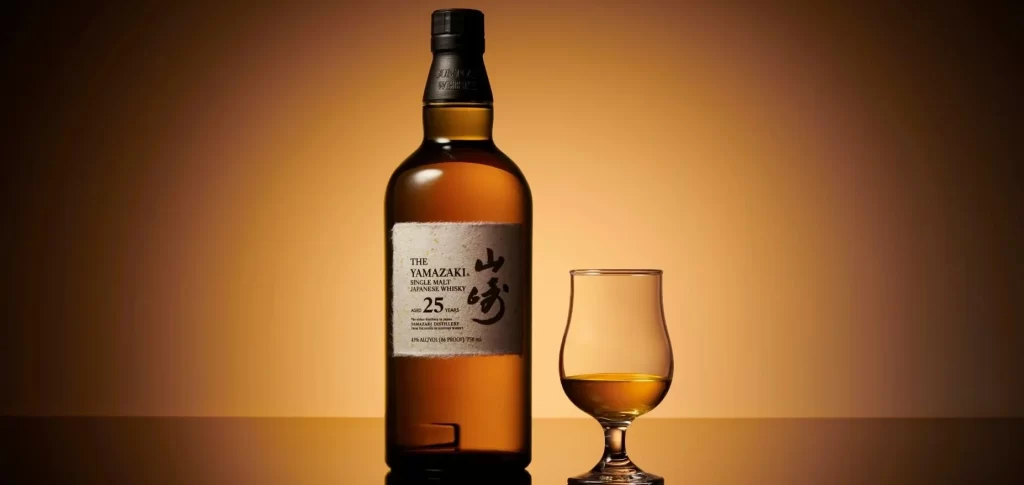
Our ecosystem maintains a foundational link with The House of Suntory. As the absolute pioneers of oriental distillation, they have forged an uncompromising standard of excellence. For the palate seeking the ultimate expression of Japanese rigour, this is the undisputed pinnacle.
The House of Suntory: The Master Distiller’s Triad
| Distillery / Style | Technical DNA / Environment | Organoleptic Profile |
|---|---|---|
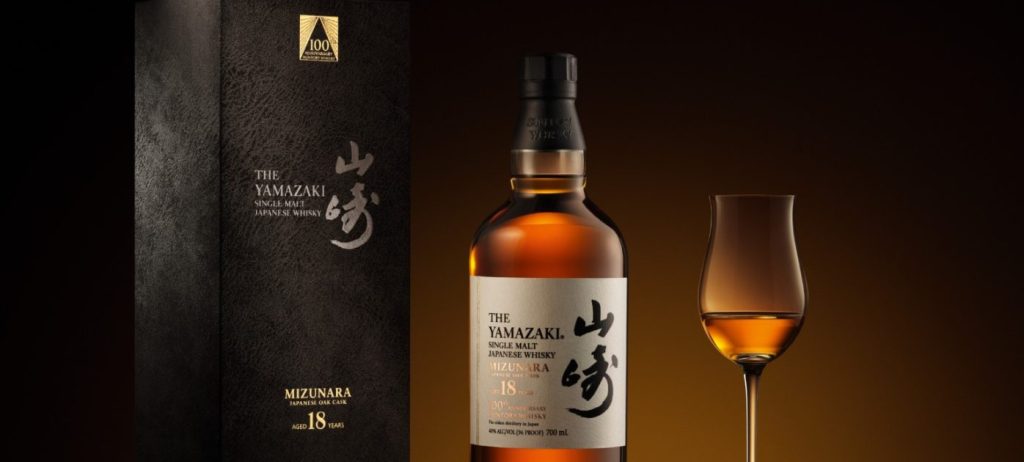
| Yamazaki (Single Malt) | Cradle of Japanese whisky. Use of Mizunara oak. | Orchard fruits, incense, and deep wood. |
| Hakushu (Single Malt) | Japanese Alps. Altitude and forest environment. | Herbaceous, fresh mint, and ethereal smoke. |
| The Chita (Single Grain) | Continuous distillation in column stills (Coffey Still). | Acacia honey, vanilla, and silky lightness. |
| Hibiki (Blended) | Harmony of Yamazaki, Hakushu, and Chita. | Orange, white chocolate, and a breathtaking finish. |
| Suntory Toki (Highball) | Conceptualised for technique and mixing. | Green apple, basil, and technical freshness. |
Each of these labels represents a link in the chain of Shokunin rigour, from the purity of the grain in Chita to the mystical complexity of the Mizunara oak in Yamazaki.
The Distillery Map: From Giants to the New Wave

At Don Panko, our curation transcends the surface. Understanding Japanese whisky demands acknowledging that each distillery constitutes a unique ecosystem, where the climate, topography, and the master distiller’s philosophy converge. We present the houses that, in our judgement, define the vanguard and the heritage of the sector.
Nikka Whisky: The Iron Counterpoint
Founded by Masataka Taketsuru, Nikka represents Scottish technical heritage adapted to Japanese rigour. Its identity bifurcates into two diametrically opposed profiles:
| Distillery | Method / Character | Tasting Profile |
|---|---|---|
| Yoichi (Hokkaido) | Direct coal fire. | Robust, peat, marine salinity. |
| Miyagikyo (Sendai) | Steam distillation. | Floral elegance, fruity and silky. |
Mars Whisky: The Duality of the Mountains and the Sea
The Mars house (Hombo Shuzo) stands out for its mastery of climatic maturation, operating at extreme altitudes and latitudes:
| Distillery | Geographical Environment | Effect on the Distillate |
|---|---|---|
| Komagatake (Shinshu) | Central Alps (High altitude). | Slow maturation, clean and fresh notes. |
| Tsunuki (Kagoshima) | Southern Japan (Subtropical climate). | Accelerated maturation, energy and tropical fruits. |
Fuji Gotemba: The Giant at the foot of Mount Fuji
Owned by Kirin, it is a benchmark in technological precision. Its privileged location affords access to water of volcanic purity, filtered for decades. It stands out for its grain whiskies of unusual complexity: creamy, sweet, and with a structure that allows them to be savoured both neat and in high-end Highballs.
Akkeshi: The “Islay” of Hokkaido
Situated in a misty, coastal environment, Akkeshi employs local peat and barley to emulate the medicinal and smoky character of Islay malts. The result is a complex distillate, with pronounced marine notes, yet executed with the refinement and technical meticulousness characteristic of Japanese craftsmanship.
Kanosuke: The Heritage of the Shochu Masters
Heirs to a long tradition in Shochu distillation, Kanosuke applies this secular knowledge to whisky. The use of three uniquely configured pot stills grants its distillate a distinctive mellow smoothness, with nuances of cinnamon, honey, and nuts that anticipate a prominent future for this house.
Shizuoka: Romanticism and Wood Fire
Shizuoka represents a return to heroic manufacturing. Using pot stills salvaged from the legendary Karuizawa and applying direct fire from local wood, they achieve a deep, toasted profile. It is a manual and deliberately paced process that generates a character unreplicable by modern industrial methods.
The Liturgy of the Drink: How to enjoy it without getting lectured
In the Don Panko ecosystem, we challenge the rigidity of sacred rules: the best whisky is the one consumed with awareness, not the one admired on the shelf. Our experience in the taverns of Shinjuku has revealed that serving technique drastically alters the molecular and organoleptic structure of the distillate. The ritual changes depending on the purpose: from whetting the appetite to the contemplative close following a Katsu Curry.
The Highball: The Engineering of Effervescence
In the taverns of Japan, the Highball is the national standard. We do not conceptualise it as a mere mixed drink, but as a precision technique. At Don Panko, we use Suntory Toki for its citrus profile; solid ice blocks to prevent premature dilution, and a golden ratio of premium soda. It is the technical pairing designed to cleanse the palate after the crunch of the panko.
Mizuwaru: The Orthodoxy of Accompaniment
Literally “mixed with water”. It is the traditional method to escort Japanese gastronomy. By diluting the whisky with mineral water (a 1:2 ratio), we reduce the alcoholic impact to levels similar to a robust wine, allowing the distillate’s notes to surface without anaesthetising the palate. Ideal for our kaki oysters or Duroc pork.
Oyuwari: The Thermodynamics of Comfort
The winter ritual. It consists of integrating whisky with hot water (60-70°C). The technique demands pouring the water first so the difference in density generates a natural, aromatic mix. It is a profoundly relaxing method, designed to combat the rigour of the Madrid cold.
Twice Up: The Taster’s Analysis
A method of technical analysis: equal parts whisky and room-temperature mineral water, without ice. It is the ultimate tool for identifying the aromas of complex labels like Yamazaki 18 or Hibiki, preventing the cold from locking away the most volatile fragrance layers.
Neat and On the Rocks: Essential Purism
Neat: The raw product, exactly as it emerges from the cask, for distillate purists. On the Rocks: Utilising hand-carved ice for progressive dilution that evolves the flavour as the temperature drops.
Guide to Ritual and Pairing at Don Panko
| Method | Intensity | Ideal Moment | Suggested Pairing |
|---|---|---|---|
| Highball | Low / Medium | Opening | Katsu Sandwich / Curry |
| Mizuwaru | Medium | Continuous dining | Kaki Oysters / Fish |
| Twice Up | High | Reflection | Technical tasting |
| On the Rocks | High | After-dinner | Dark chocolate |
| Neat | Maximum | Conclusion | Neat (Purism) |
Curation by Sensory Profile
| Objective | Recommendation | Suggested Label |
|---|---|---|
| Immediate refreshment | Toki Highball | Suntory Toki |
| Subtlety and elegance | Mizuwaru | Hibiki Harmony |
| Power and peat | On the Rocks | Yoichi Single Malt |
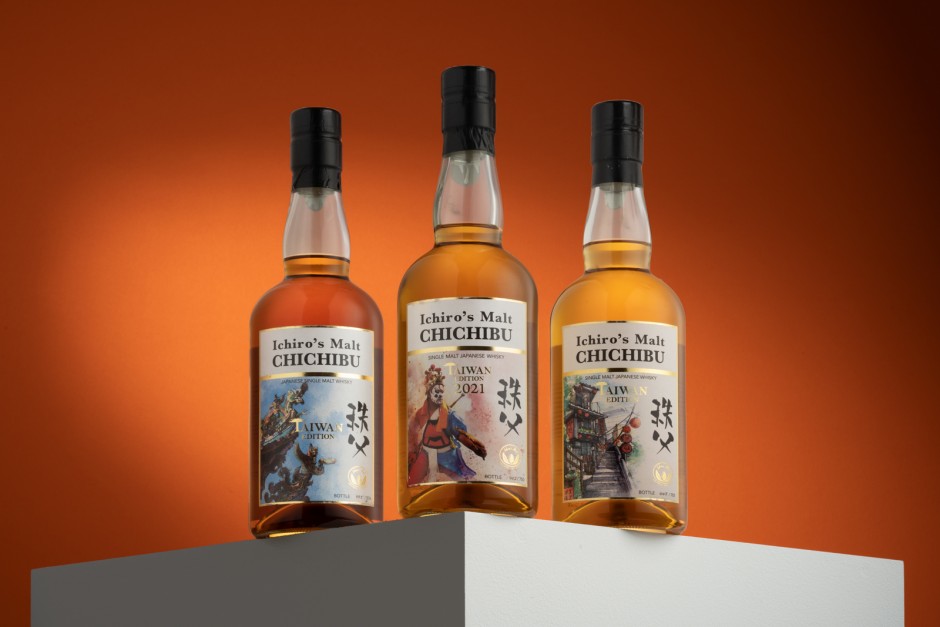
| Collection / Cult | Twice Up | Chichibu Ichiro’s Malt |
Structural Pairing: Why whisky and katsu go so well together
Many people are surprised when we tell them that whisky is the best ally for our cuisine. It is not a whim. Japanese whisky, due to its distillation process, tends to have an acidity and a cleanliness on the palate that other distillates do not possess.
When you bite into a Duroc pork Katsu, the infiltrated fat and the crunch of the panko saturate the palate. A sip of Highball or a Mizuwaru acts as a natural degreaser. It cleanses the mouth, refreshes, and prepares you for the next bite. It is a perfect synergy: the sweetness of the malt compensates for the saltiness of the Tonkatsu sauce, and the subtle smoke of some whiskies enhances the flavour of the meat.
At Don Panko we do not sell you smoke; we sell you a combination that we have been testing for years at the most demanding bars. Pop in, take a seat, and let the whisky do the rest.
Why we trust David de la Torre
Behind this selection there is no algorithm, there is a bloke who has spent 12 years living by and for the hospitality sector. David de la Torre doesn’t set up businesses just to appear in magazines; he sets them up because he believes in the monographic product.
Following his time in London, he realised that the only way to stand out is to be the best at just one thing. At Don Panko it is the Katsu, and in the cellar it is Japanese Whisky. Every reference has been tasted, discussed, and selected under the standards of I8 MGT. If it is on the menu, it’s because David would drink it with you.
FAQ: What you ask us at the bar
The universe of Japanese whisky is often perceived as a hermetic club. At Don Panko, our mission is to democratise academic knowledge. Here we respond with rigour to the most frequent queries from our community.
1. Why does Japanese whisky have a higher market value than Scotch?
It is an equation of scarcity. For decades, production was limited, and today global demand far exceeds the stocks of age-statement labels (12, 18, or 21 years). Exclusivity is dictated at the source, although at Don Panko we adjust our margins to allow access to liquid jewels without insurmountable financial barriers.
2. Is it true that there are “Japanese” whiskies that are not from Japan?
Historically, a legal loophole allowed the bottling of foreign distillate under a Japanese aesthetic. However, since April 2024, JSLMA regulations require that to bear the “Japanese Whisky” denomination, the product must be distilled, aged, and bottled entirely in Japan using local water. Our transparency is absolute: what you see is what it is.
3. Initiation: Where should one begin the immersion?
For a first academic contact, we recommend the Suntory Toki in a Highball ritual or the Hibiki Japanese Harmony served Neat. They are balanced, floral, and friendly profiles that allow one to decode Japanese elegance without saturating the palate.
4. What is the scientific purpose behind the Highball?
It is the ultimate cleansing tool. Technical carbonation respects the whisky’s DNA whilst refreshing and resetting the taste buds. It is the perfect pairing for the fat infiltration of our Duroc pork Katsu; a synergy of precision that elevates the traditional concept of casual drinking.
5. What happens if I want to add ice to an expensive whisky?
Enjoyment is sovereign. We recommend the use of large-calibre solid ice spheres to maximise thermal inertia without rapid dilution. For rarities like Chichibu, we suggest an initial pure tasting, but the final decision lies with the diner.
6. Do you have peated whiskies or are they all smooth?
Our curation covers the entire organoleptic spectrum. For those seeking peat and marine character, labels such as Yoichi or Akkeshi offer a refined and elegant smoke, far from the medicinal aggressiveness of Islay, yet with a resounding structure.
7. Why do you charge a €12 deposit per reservation?
It is not a charge; it is a commitment. We work with premium raw materials that do not allow for waste, and a team that works their socks off in every service. That deposit represents mutual respect between your table and our hospitality. And, of course, it is deducted from your final bill.
8. Does Japanese whisky pair well with spicy food?
Absolutely. A whisky with fruity and sweet notes compensates for the spicy heat of our Katsu Curry. The alcohol helps cleanse the spices from the tongue and prepares you for the next bite. It is a winning combo.
9. What is so special about Mizunara oak?
It is the native oak of Japan. It is very difficult to work with because it is porous, and the tree takes 200 years to be ready. It provides notes of incense, sandalwood, and coconut that you will not find in any whisky aged in American or European oak. It is the “perfume” of Japanese whisky.
10. Are there bottles off the menu?
We manage minimal allocations and rarities from personal travels (Shizuoka, Kanosuke). Always ask us; if we have something special open behind the bar, we will let you know.
11. What is the best temperature to drink it?
To enjoy the aromas, the ideal is between 18 and 20 degrees. But in Madrid, given the heat, a Mizuwaru (with water and ice) or a good On the Rocks are entirely professional options that respect the product.
12. Why come to Don Panko to drink whisky and not to a luxury cocktail bar?
Because we remove the friction of etiquette. We are a cult tavern where the rigour of an expert coexists with the honesty of a Katsu sandwich eaten with your hands. That duality between sophistication and the street is our non-negotiable identity.
DO YOU KNOW OKONOMI SAN?
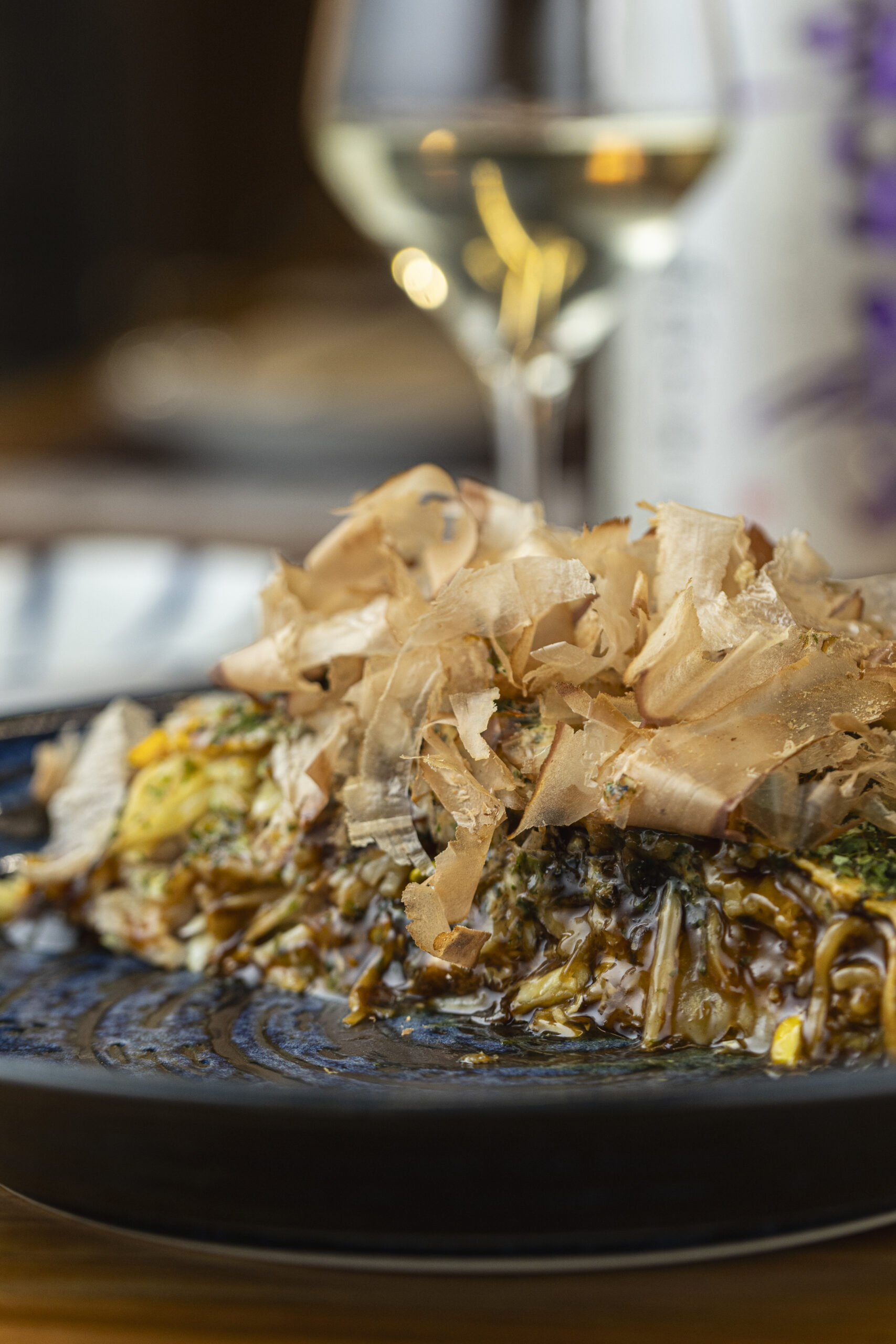
If the brutality of our Ibérico Katsu Sando has left you craving more street food, you need to make a stop at our sister restaurant. There, we swap the crunch of the panko for the fire of the griddle to serve you the best okonomiyaki in Madrid, highly addictive fried chicken, and unapologetically bold noodles.
Born from pure resilience during post-war Hiroshima, this dish originally emerged in black markets as an honest response to scarcity, evolving from a simple bite of flour and cabbage to become Japan's ultimate soul food. The key to its historical significance lies in the superiority of the Kasaneyaki (layered) style over the mixed concept from Osaka. We are talking about impeccable sequential architecture on the Teppan: a paper-thin batter base upon which the Shokunin millimetrically stacks steamed cabbage, bean sprouts, pork belly, and perfectly toasted noodles, all unified by the blast of heat from the egg.
A lesson in culinary anthropology that awakens nostalgia (Natsukashi) and concentrates an untamed Umami. A dish with history and scars, executed with Japanese discipline yet with the pulse and authenticity that Madrid demands.